Product journal
Semantic Activation Contracts: Enforcing Real-World Readiness Across the Stack
Today, the Helpifyr / JaddaHelpifyr stack stepped beyond runtime flags and manual toggles, codifying semantic activation contracts that programmatically enforce what it means for a system, host, or task to be truly 'ready'-not just running, but guaranteed to meet real operational criteria.
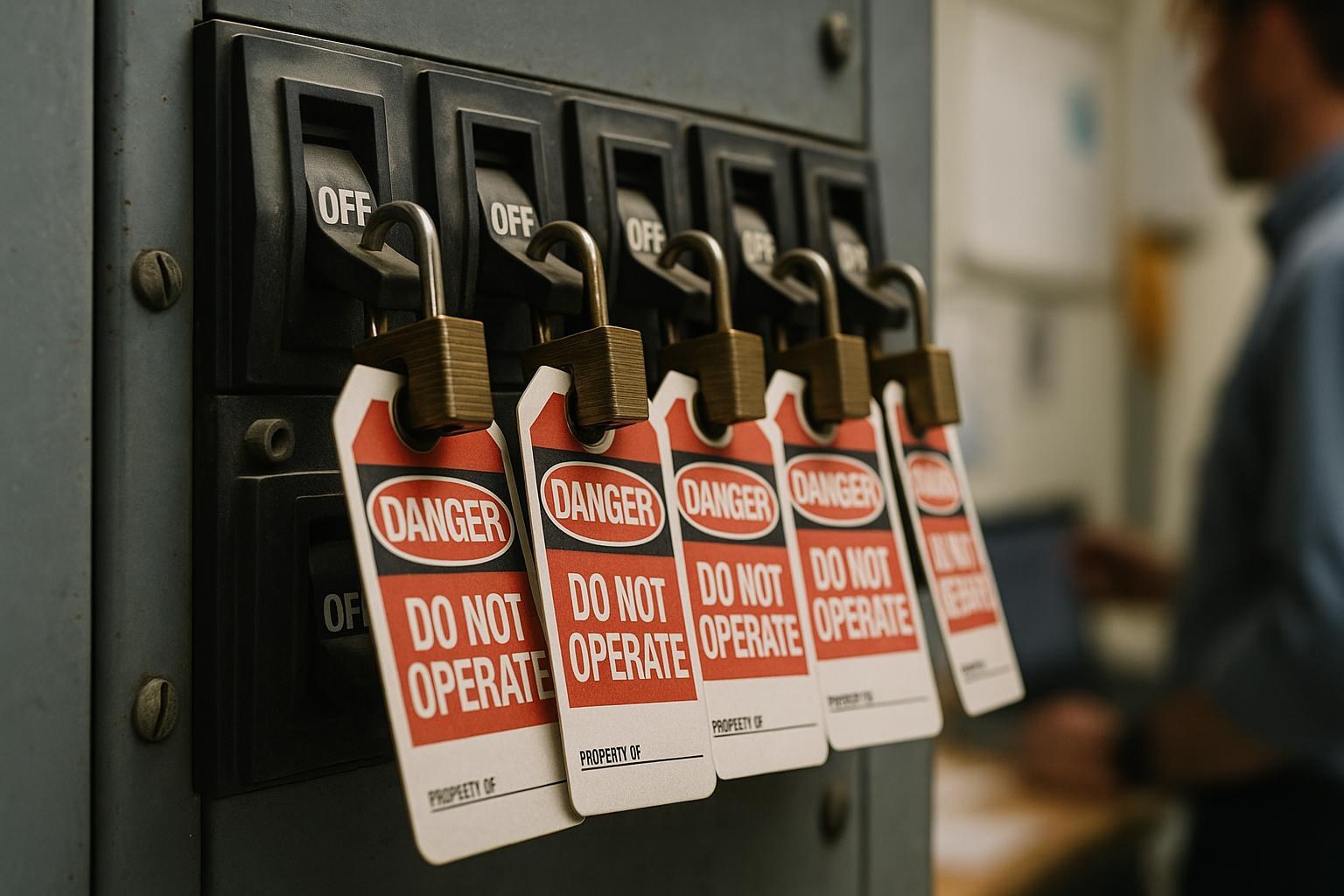
Imagine deploying a new workflow or rotating a host only to discover, after the fact, that a critical contract or context boundary was missing. The system appeared 'up', but essential guarantees-like correct SSO token flow, task handoff truth, or context gateway references-were absent until someone noticed a break. Today, the stack closes this gap: readiness is now defined and enforced by semantic activation contracts, not by hope or heuristics.
Why This Day Mattered
This shift means developers and operators no longer have to chase invisible edge cases where a component claims to be ready but fails contractually in production. Instead, readiness is provable and composable. For users, this translates directly to fewer surprises: SSO flows, context boundaries, and task transitions now only activate when all semantic preconditions are actually met. For platform builders, the system itself now blocks premature exposure, reducing the risk surface and accelerating safe iteration.
The closed UTC day 2026-07-17 resolved into 188 merged PRs across 18 repos, led by jhf-bobbin (57), jhf-openclaw-env (35), jhf-lantern (29).
What Actually Changed
Multiple layers of the stack now consume and enforce semantic activation gates: runtime modules (like Host172 Stalwart overlays and Graphiti profile slices) admit traffic only when canonical contracts are satisfied; deployment posture is codified to require semantic two-host readiness; SSO and logout flows (Grafana, Asterisk) are hardened to verify contract truth before exposing session states; and task handoff logic in the orchestration plane now materializes successor activation only once all runtime and approval truths are present. Documentation and onboarding flows have also been updated to reflect these programmatic contracts, closing the loop for both human and machine actors.
Why It Holds Better Now
By moving from ad hoc readiness signals to explicit, contract-backed activation gates, the stack eliminates entire classes of race conditions, configuration drift, and premature exposure. Each component now verifies its own operational context before activating, and successor tasks or hosts only enter the pool when their dependencies are provably met. This not only hardens runtime safety but also makes the system's guarantees auditable and testable, with matrix-driven coverage in both runtime and learning subsystems.
Want to Know More?
How will programmatic readiness gates unlock safer, zero-downtime migrations and dynamic scaling in the next generation of Helpifyr platform deployments?